
Seriously, when was the last time you checked the water in your inverter battery? If you’re like most of us living in a flat in Noida or Bangalore, the answer is probably “never”—until the power actually goes out and you’re stuck in the dark.
The reality is that our homes have changed. A few years ago, a backup was just for a fan and a tube light. Now? If the Wi-Fi drops for ten minutes, it’s a crisis. Between back-to-back Zoom calls and the kids’ online classes, we need power that doesn’t blink. That’s exactly why lithium systems are suddenly everywhere in Indian homes.
Let’s talk about the “Acid” in the room
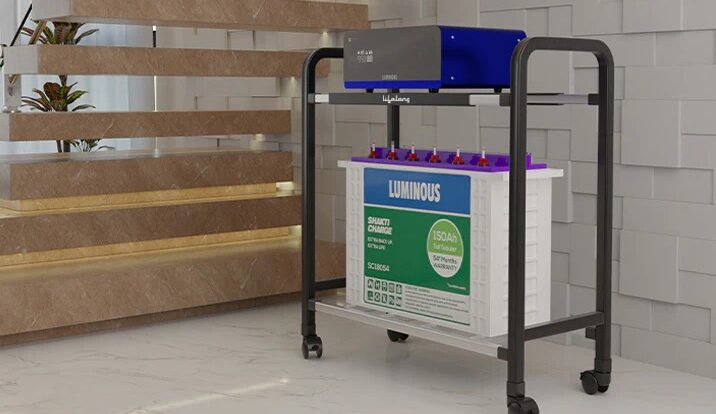
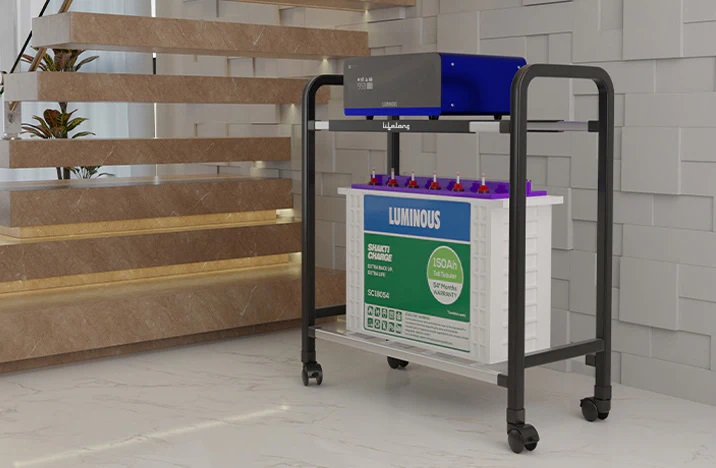
Traditional lead-acid batteries are a literal mess. They’re heavy, they leak, and let’s be honest—they smell a bit weird. If you’re living in a compact 2BHK, you don’t really want a bubbling box of chemicals in your utility area.
Lithium is the complete opposite. You can practically hang it on the wall like a piece of modern art. No maintenance, no topping up distilled water, and no worrying about the floor getting ruined by acid spills. It’s basically “set it and forget it” tech.
The “Fast Charging” Win
In India, power cuts aren’t always scheduled. Sometimes the grid goes off, comes back for an hour, and then trips again. Old batteries take 10 to 12 hours to fully juice up. If you get hit with a second outage, you’re out of luck.
Lithium batteries are much faster. They can hit 90% in about two hours. For anyone working from home, that speed is the difference between a productive day and a frustrating afternoon at a coffee shop just to find a plug point.
Is it worth the extra cash?
Look, the upfront price of lithium is higher. There’s no sugarcoating that. But do the math: a lead-acid battery usually dies in 3 years. A decent lithium pack? You’re looking at 10 years or more. You’ll end up buying three “cheap” batteries in the time one lithium unit stays running.
Plus, there’s the “gadget factor.” Modern 4K TVs and high-end PCs hate voltage spikes. Lithium systems provide much cleaner power, which means your expensive tech actually lasts longer.
The Solar Shift
If you’ve seen those solar panels popping up on rooftops in your neighborhood, you’re seeing the future. But panels alone don’t help at night. You need a way to bank that energy. Lithium storage is the perfect “battery bank” for solar power.
Companies like PURE EV are really leaning into this. Their residential storage isn’t just a battery; it’s a smart system designed to handle the weird voltage swings we get in India. You can check out how their setups look on the PURE residential energy page.
The Bottom Line
We don’t use old Nokia bricks anymore, so why are we still using battery tech from the 90s? Switching to lithium isn’t just about being “fancy.” It’s about making sure your house actually works when the grid doesn’t. If you’re tired of the maintenance and the bulky trolleys, it might be time to finally make the upgrade.